
When to Start Planning Your Holiday Installation
For commercial properties, holiday installations are no longer simple decorations—they’re large-scale seasonal experiences designed to attract visitors, create emotional engagement, and strengthen brand perception.
But one of the most common mistakes businesses make is waiting too long to begin planning.
The most successful holiday installations often begin months before the season starts. Early planning creates more flexibility, stronger creative direction, smoother logistics, and better overall execution.

Why Early Planning Matters
Holiday installations involve far more than installing decor a few weeks before the season begins.
Most commercial seasonal programs require:
Creative concept development
Budget approvals
Fabrication and sourcing
Lighting coordination
Logistics and scheduling
Installation planning
Storage and maintenance considerations
The earlier these elements are addressed, the smoother the overall process becomes.
Spring and Summer Are Prime Planning Seasons
Many businesses are surprised to learn that holiday planning often begins in spring or early summer.
This timeline allows enough time for:
Design development
Custom fabrication
Vendor coordination
Material sourcing
Permitting and approvals
Scheduling installation crews
Large-scale commercial holiday lighting and fabrication projects may require even longer lead times, especially for custom builds or multi-location programs.
Early Planning Creates Better Creative Opportunities
Rushed timelines often limit creativity.
Starting earlier gives design teams more time to:
Develop immersive concepts
Create custom installations
Coordinate lighting and experiential elements
Incorporate branding into the environment
Build cohesive seasonal storytelling
This is especially important for experiential environments designed to encourage guest interaction and social sharing.

Fabrication and Installation Require Time
Custom fabrication is one of the biggest factors affecting seasonal timelines.
Elements such as:
Sculptures
Floral installations
Specialty lighting
Scenic structures
Custom signage
often require weeks or months to fabricate properly.
Installation logistics also become more complex during peak holiday season demand, especially for:
Hotels and hospitality spaces
Retail centers
Public plazas and BIDs
Multi-location rollouts
Early planning helps secure preferred installation windows and reduces operational disruption.
Outdoor Installations Need Additional Coordination
Outdoor holiday installations often involve additional layers of planning because they must account for:
Weather conditions
Structural engineering
Power access
Streetscape coordination
Municipal approvals
Safety and pedestrian traffic
This is particularly important for large-scale lighting programs and public-space activations.
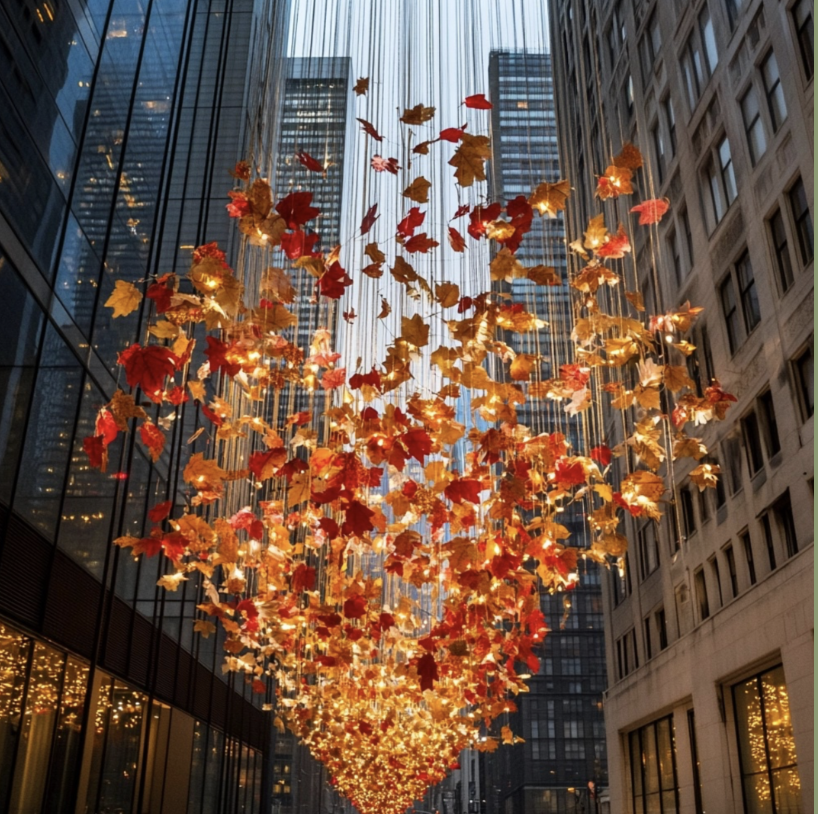
Seasonal Programs Benefit from Long-Term Planning
Many commercial properties now think beyond a single holiday season.
Rather than rebuilding every year, businesses are increasingly investing in:
Modular installations
Seasonal transition programs
Multi-year lighting concepts
Rotational experiential environments
Planning early allows businesses to build more sustainable, scalable seasonal programs that evolve over time.
What Happens When Planning Starts Too Late?
Late planning often leads to:
Limited installation availability
Higher production costs
Reduced customization
Delayed fabrication timelines
Less cohesive design execution
While experienced teams can still execute under compressed timelines, earlier planning almost always produces stronger creative and operational outcomes.
A Strong Holiday Installation Starts With Strategy
The best holiday environments are not created at the last minute. They are carefully planned experiences designed around the audience, property, operational requirements, and seasonal goals.
By beginning the process early, businesses gain more flexibility, stronger creative opportunities, and a smoother installation experience overall.
Whether planning a hotel lobby transformation, district-wide lighting program, or immersive retail activation, timing plays a major role in the success of the final installation.